Welcome to Best Engineering Technologies

 Send Email
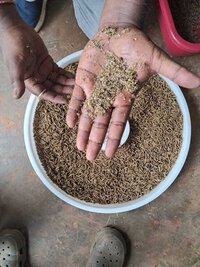
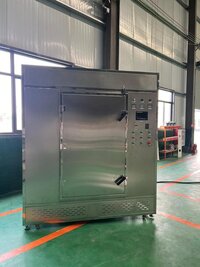
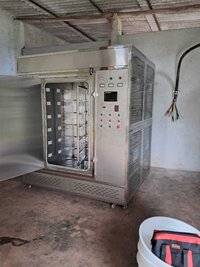
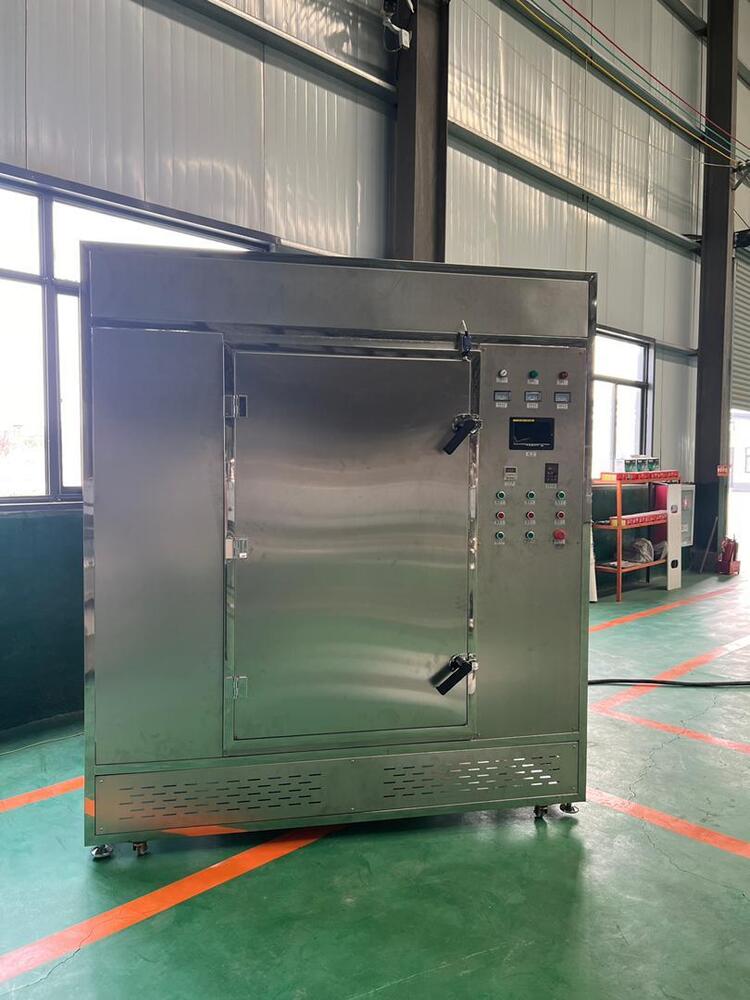
BLACK SOLIDER FLY DRYER MICROWAVE DRYING
1000000 INR/Number
Product Details:
- Fuel Type Electric
- Heat Source Microwave
- Power Consumption 8 - 10 kWh
- Power 8 kW
- Material Stainless Steel
- Voltage 380V
- Temperature 50C - 100C adjustable
- Click to view more
X
BLACK SOLIDER FLY DRYER MICROWAVE DRYING Price And Quantity
- 1 Number
- 1000000 INR/Number
- 2450MHz/915MHz
- Floor Mounted
- PLC Touch Screen
- BLACK SOLDIER FLY LARVAE DRYING
- Automatic Feeder
- 200-800 kg/day
- Food Grade Stainless Steel
- Up to 95%
BLACK SOLIDER FLY DRYER MICROWAVE DRYING Product Specifications
- 380V
- 500 Kilograms (kg)
- MICRO WAVE DRYING
- Electric
- Microwave
- 8 - 10 kWh
- 50C - 100C adjustable
- Stainless Steel
- SILVER
- 8 kW
- 5400mm 1100mm 1750mm
- 2450MHz/915MHz
- Floor Mounted
- PLC Touch Screen
- BLACK SOLDIER FLY LARVAE DRYING
- Automatic Feeder
- 200-800 kg/day
- Food Grade Stainless Steel
- Up to 95%
BLACK SOLIDER FLY DRYER MICROWAVE DRYING Trade Information
- Cash in Advance (CID)
- All India
Product Description
The message highlights several advantages of using a microwave dryer for drying Black Soldier Fly (BSF) larvae (implied from "BSF RIED" and "insects").
Key Benefits of Microwave Drying for BSF
The specific benefits mentioned are:
1. Enhanced Product Quality
-
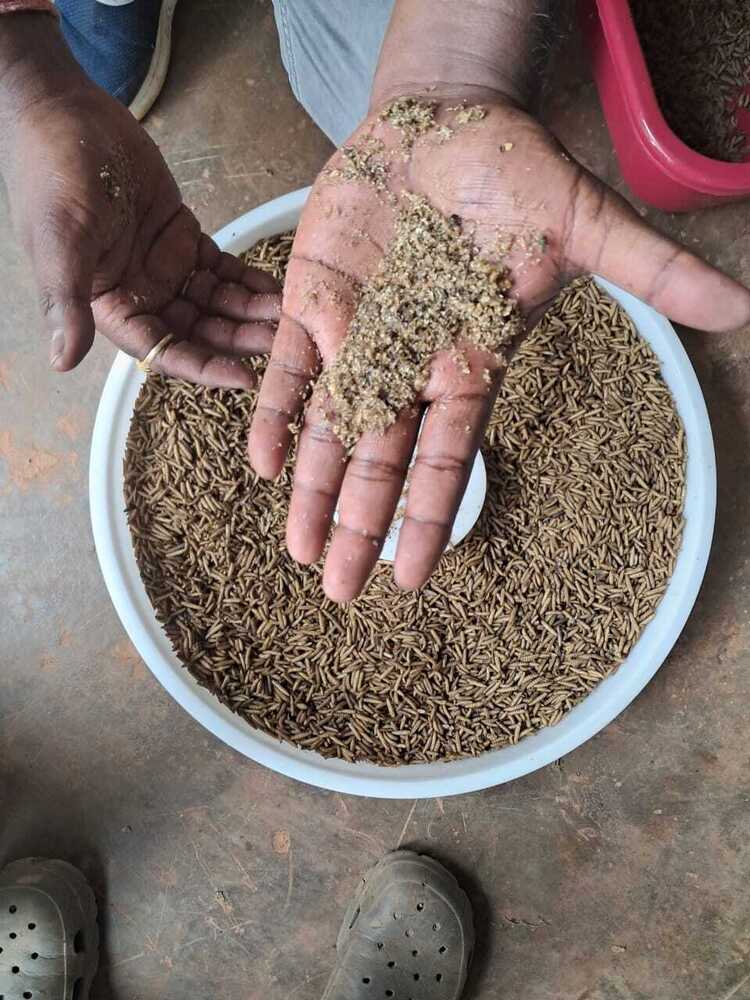
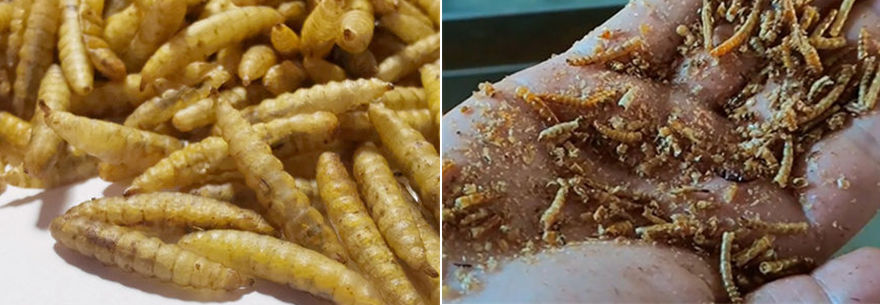
Appearance: The dried BSF larvae are described as bright in color and puffed. This superior appearance likely contributes to their higher market appeal.
-
Texture: They are crispy, which is a desirable characteristic for many dried insect products.
2. Higher Economic Value
-
Price: Due to the improved quality (color, puff, crispiness), the direct selling price is much higher compared to insects dried by other methods.
3. Easier Processing and Further Use
-
Crushability: The very crispy texture means they are broken by light rubbing with hands, making them easier to crush into a powder or meal. This is crucial for large-scale processing into feed or food ingredients.
-
Oil Extraction: The drying process causes the oil to float to the surface. This separation makes it easier to squeeze or extract the valuable insect oil (lipids).
In essence, microwave drying appears to be a premium method for BSF processing, yielding a product that is not only visually and texturally superior but also more profitable and easier to process for both meal and oil extraction.
Advanced Microwave Drying Technology
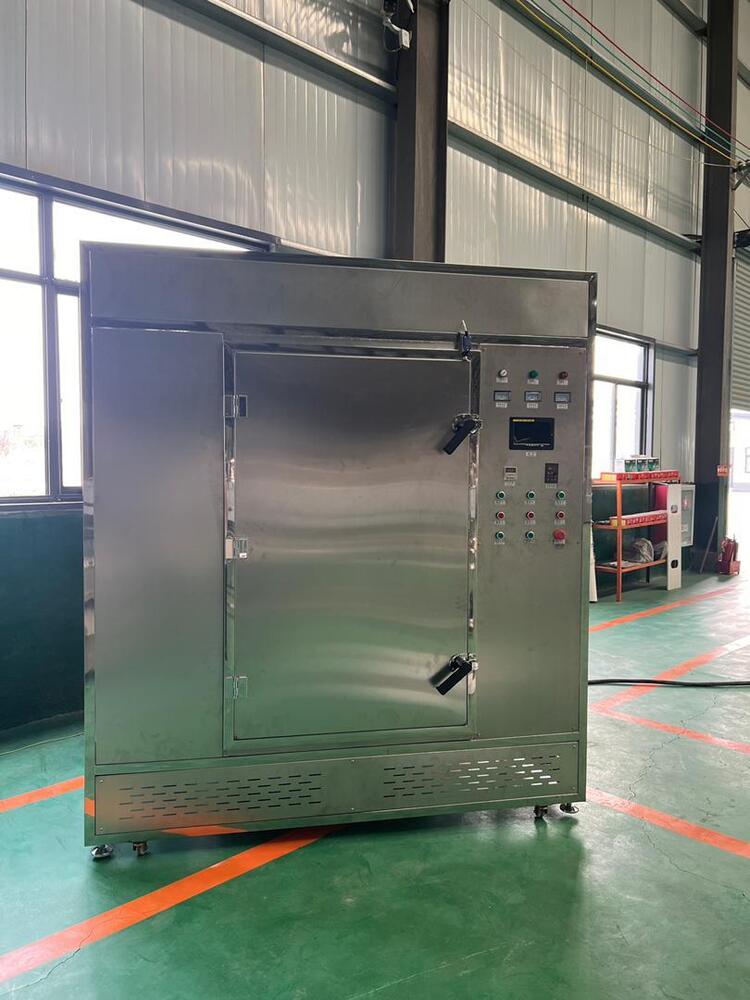
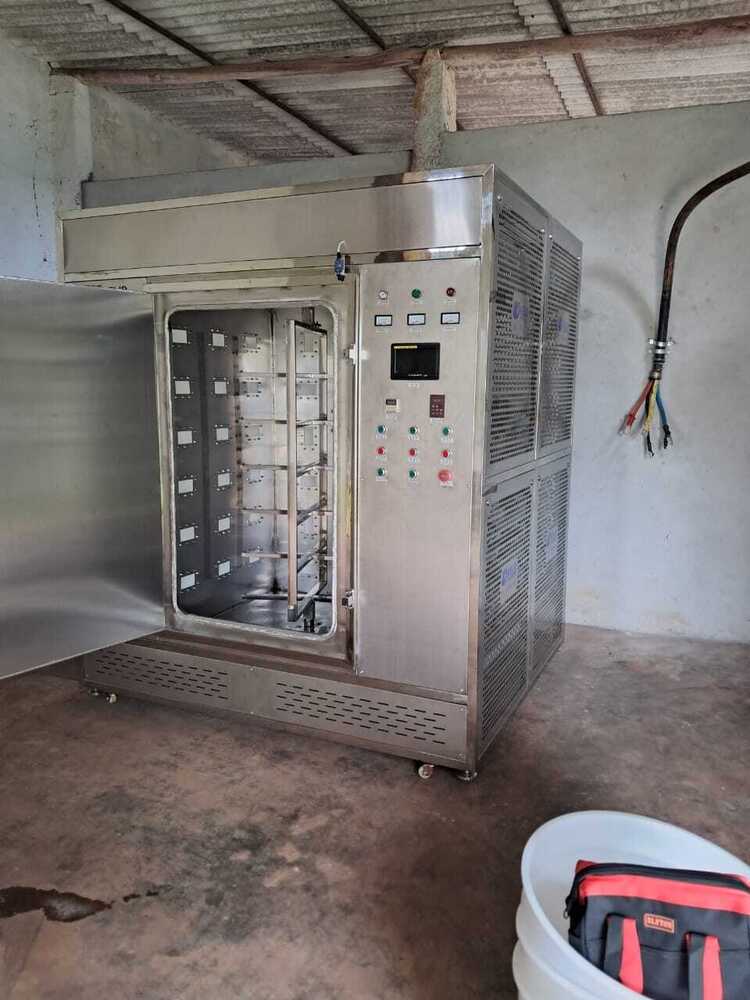
Utilizing state-of-the-art microwave drying, this machine delivers uniform and rapid dehydration of black soldier fly larvae. The technology ensures moisture reduction of up to 95% while maintaining essential nutrients, making the end product suitable for various applications such as animal feed and fertilizer.
User-Friendly PLC Touch Screen Control
Operating the dryer is effortless, thanks to its intuitive PLC touch screen interface. Users can precisely adjust temperature settings between 50C and 100C, monitor drying progress, and control the automatic feeder to streamline large-scale production with minimal manual intervention.
Durable and Food-Grade Construction
Manufactured from food-grade stainless steel, the dryer is both robust and hygienic, ensuring a long service life and compliance with safety standards. Its floor-mounted design and automatic feeding system make it suitable for continuous use in commercial and industrial environments across India.
FAQs of BLACK SOLIDER FLY DRYER MICROWAVE DRYING:
Q: How does the Black Soldier Fly Dryer use microwave technology to dry larvae?
A: This dryer utilizes microwave energy at 2450MHz or 915MHz to penetrate the larvae and evaporate internal moisture rapidly. The controlled heating process enables efficient and uniform drying, significantly reducing the moisture content by up to 95% while preserving the nutritional value of the larvae.Q: What are the main benefits of using a microwave dryer for black soldier fly larvae?
A: The main benefits include fast and uniform moisture removal, minimal loss of nutrients, energy efficiency, and consistent quality of the dried larvae. The PLC touch screen enhances process control, while the automatic feeder ensures steady, large-scale production with reduced labor requirements.Q: When should the temperature be adjusted, and what range is available?
A: Temperature adjustments may be needed based on the initial moisture content and the end-use requirements of the larvae. The system allows operators to set temperatures between 50C and 100C, tailoring the drying process to achieve optimal results.Q: Where can this microwave dryer be installed, and what is its ideal setting?
A: The dryer is floor mounted and best suited to commercial or industrial environments such as processing plants, farms, and feed production facilities. Its robust stainless steel construction and compact dimensions allow it to fit into various production layouts.Q: What is the typical drying process for black soldier fly larvae using this system?
A: To process larvae, users load them into the automatic feeder. The PLC touch screen sets parameters such as temperature and duration, engaging the microwave drying chamber. The machine then dries and outputs the larvae with up to 95% moisture reduction, ready for packaging or further processing.Q: How much power does the dryer consume during operation?
A: The dryer operates at 8 kW with a power consumption of approximately 8 to 10 kWh. It requires a 380V electrical supply, making it efficient for daily production capacities ranging from 200 to 800 kg.Q: What are the usage and maintenance requirements for the microwave dryer?
A: Routine usage involves loading larvae, setting parameters, and starting the process via the PLC touch screen. Regular cleaning of the stainless steel chamber and inspection of moving parts ensure optimal operation and longevity. Comprehensive installation and after-sales support are typically provided by the manufacturer or supplier.Tell us about your requirement

Price:
Quantity
Select Unit
- 50
- 100
- 200
- 250
- 500
- 1000+
Additional detail
Mobile number
Email

Other Products in 'Industrial Microwave Dryer Machine' category


Leading manufacturers in process plants & equipments as per customer specific requirement.


- Plot No -4, Survey No.174 & 176, Ida Bollaram Village Gram Panchayat,Hyderabad - 502325, Telangana, India
- Phone : 07313726869
BEST ENGINEERING TECHNOLOGIES
GST : 36AAGFB8313F1ZO

- Mr Sesha Sai M (Managing Partner )
- Mobile : 07313726869
- Send Inquiry
 Send Inquiry
 Send Inquiry
 Send SMS
 Call Me Free
BEST ENGINEERING TECHNOLOGIES
All Rights Reserved.(Terms of Use)
Developed and Managed by Infocom Network Private Limited.
Developed and Managed by Infocom Network Private Limited.
 English
 Spanish
 French
 German
 Italian
 Chinese (Simplified)
 Japanese
 Korean
 Arabic
 Portuguese